
Granite cutting is a highly specialized process that demands both efficiency and safety due to the material’s density, brittleness, and cost. Advanced methods have been developed over time to improve the precision and reduce the hazards associated with working with granite. One of the most prominent innovations is the use of diamond-tipped cutting tools. Diamond, being the hardest naturally occurring material, allows for clean and accurate cuts through granite with minimal chipping or breakage. These tools come in the form of circular saw blades, wire saws, and core drills, all of which have revolutionized the stone cutting industry by significantly reducing processing time while improving the quality of the finish. Water-jet cutting is another advanced technique that combines high-pressure water streams with abrasives like garnet to slice through granite without generating excessive heat or dust. This method is particularly valued for its precision and environmental benefits, as it produces no airborne silica, which can pose serious respiratory risks.
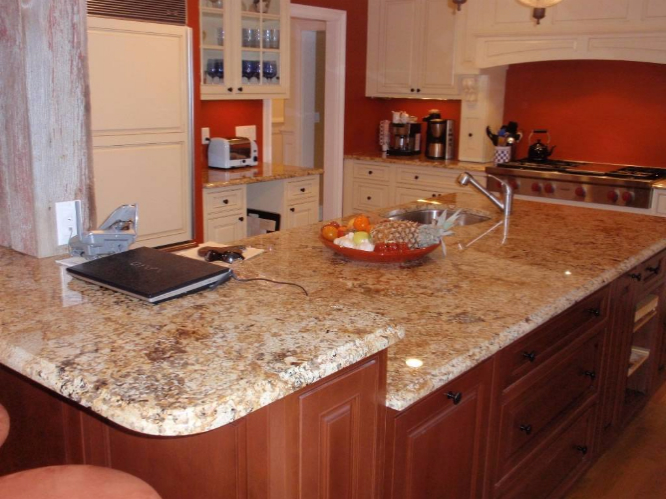
The absence of thermal stress also means the granite remains structurally intact, reducing the chances of microfractures and improving overall product longevity. CNC Computer Numerical Control machines have further enhanced granite processing by automating cutting patterns with exceptional accuracy. These machines are pre-programmed with digital designs, allowing intricate and repeatable cuts for countertops, tiles, and decorative stonework. Their precision minimizes waste and improves the yield from raw granite slabs, which translates to cost savings and sustainability. Safety, a critical component of granite cutting, has been significantly improved with modern advancements. Dust extraction systems are now integrated into cutting machines to capture silica dust at the source, reducing exposure to workers. Personal protective equipment PPE such as respirators, goggles, and vibration-dampening gloves is also essential in reducing health hazards and physical strain. Additionally, automated handling systems and mechanical lifters are employed to move heavy granite slabs safely, minimizing the risk of workplace injuries related to manual lifting and shifting.
Laser-guided systems are now being adopted in larger fabrication facilities to guide saws with pinpoint accuracy. These systems reduce the margin for human error and help maintain consistency in mass production settings. Temperature-controlled environments and cooling systems integrated into cutting machinery also help preserve the integrity of the granite while prolonging the lifespan of the tools used. Furthermore, many facilities now employ software for nesting and layout optimization, which calculates the best way to cut slabs with minimal waste and maximum output. This blend of digital planning and mechanical execution has led to an era of granite cutting that prioritizes both efficiency and worker safety without compromising on quality. In conclusion, achieving clean edges on granite requires the right combination of tools, precision, technique visit https://www.melaniejadedesign.com/advanced-granite-cutting-techniques/. Using a high-quality diamond blade, employing a wet saw for cutting, and refining the edges with diamond polishing pads or a router will give you the smooth, professional finish desired for granite countertops, tiles, or any other granite project.